Intelligence & Data
Foundations
Humanities
DataLab.
Operating in the field of digital humanities, the Humanities DataLab was established to rethink and transform research in history, literature, language, culture, and society through the possibilities offered by digital technologies.
The Lab serves as a methodological bridge between technology and the humanities, laying the groundwork for new-generation research approaches and data-driven analytical methods. Its areas of work include the processing of Ottoman and modern historical data, automatic transcription of handwritten and printed texts, text mining, the development of AI-supported analytical models, and the mapping and spatial visualization of historical data.
Our primary goal is to promote a culture of data-driven thinking in the humanities and to build a productive and collaborative research ecosystem grounded in the principles of open science, digital ethics, and interdisciplinarity.
Portfolio
Flagship Projects
Architecture
Technical Foundations
We architect modular, scalable digital ecosystems designed to support the entire lifecycle of scholarly research data.
Data Pipelines
Automated harvesting and entity resolution workflows.
GIS Modeling
GIS infrastructure for complex temporal mapping.
NLP Workflows
Text analysis for Ottoman linguistic structures.
LOD & Linked Data
CIDOC-CRM compatibility for institutional interoperability.
Data Analysis
Advanced statistical synthesis and pattern detection.
Research Advisory
Strategic methodological guidance for DH project lifecycles.
DH Education
Scholarly training and digital literacy workshops.
Scholarship
Academic Outputs
From Text to Vector Space: Modeling Gendered Semantics in Ottoman Turkish Digital Scholarship
Kırmızıaltın, S., Aladağ, F., & Derin, E.
Digital Scholarship in the Humanities (Oxford University Press)
Computational Exploration of Trends in Digital Humanities: Text Mining of DH Quarterly
Aladağ, F. and A. Betül Aydın
IJHAC: A Journal of Digital Humanities (Edinburgh University Press)
From research proposal to project management. A guide from the Transkribus community on planning and executing workflows for researchers and GLAM-professionals
Romein, C.A., Kırmızıaltın, S., Reshef, R. et al.
International Journal of Digital Humanities (Springer)
Digital Humanities and Ottoman Studies 2.0
Aladağ, F.
Journal of Digital Islamicate Research (Brill)
Evliya Çelebi’s Istanbul: A Text Mining-Based Approach
Aladağ, F.
Zemin Journal, Issue 10
Digital Edition and Text Encoding in Ottoman Studies
Aladağ, F.
Zemin Journal, Issue 6
Crowdsourcing Ottoman Cultural Heritage: OTurC
Kırmızıaltın, S., Aladağ, F., & Derin, E.
JOTSA 9.2 (Indiana University Press)
Spatial Humanities and GIS
Aladağ, F.
Kadim 5, 31–52
Digital Humanities and Turkish Studies
Aladağ, F.
TALİD 18, 773–796
Thematic and Methodological Trends in Turkish History Dissertations: A Text Mining Analysis of the YÖK Thesis Database
Aladağ, F., & Korkmaz, A.
In A. Ünver (ed.), Social Data Science. İstanbul Bilgi Üniversitesi Yayınları
The AI-Driven Digital Transformation and Computational Analysis of Ottoman Turkish Texts: Opportunities and Challenges
Kırmızıaltın, S., Aladağ, F., & Derin, E.
In A. Ünver (ed.), Social Data Science. İstanbul Bilgi Üniversitesi Yayınları
Digital Urban History and Ottoman Studies: Potentials and Borders
Aladağ, F.
In Dijital Osmanlı Çalışmaları. Vakıfbank Yayınları
Text Recognition and Automatic Transcription for Ottoman Turkish
Aladağ, F., & Derin, E.
In Dijital Osmanlı Çalışmaları. Vakıfbank Yayınları
Collective
Research Team
A multidisciplinary assembly of historians, data scientists, and computational analysts dedicated to the digital preservation of heritage.
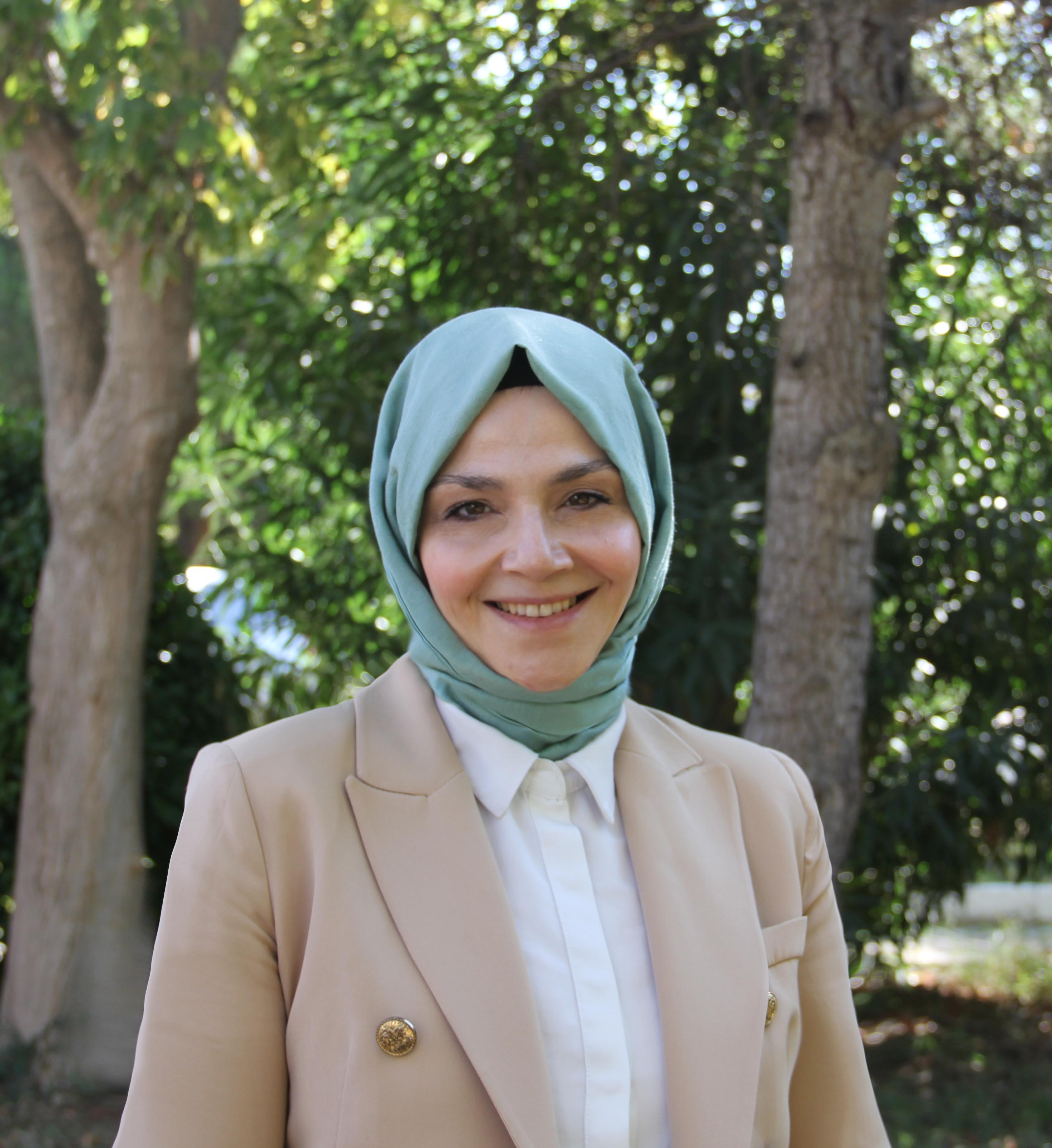
Director & Digital Urban History
Institute of Population and Social Research, Marmara University
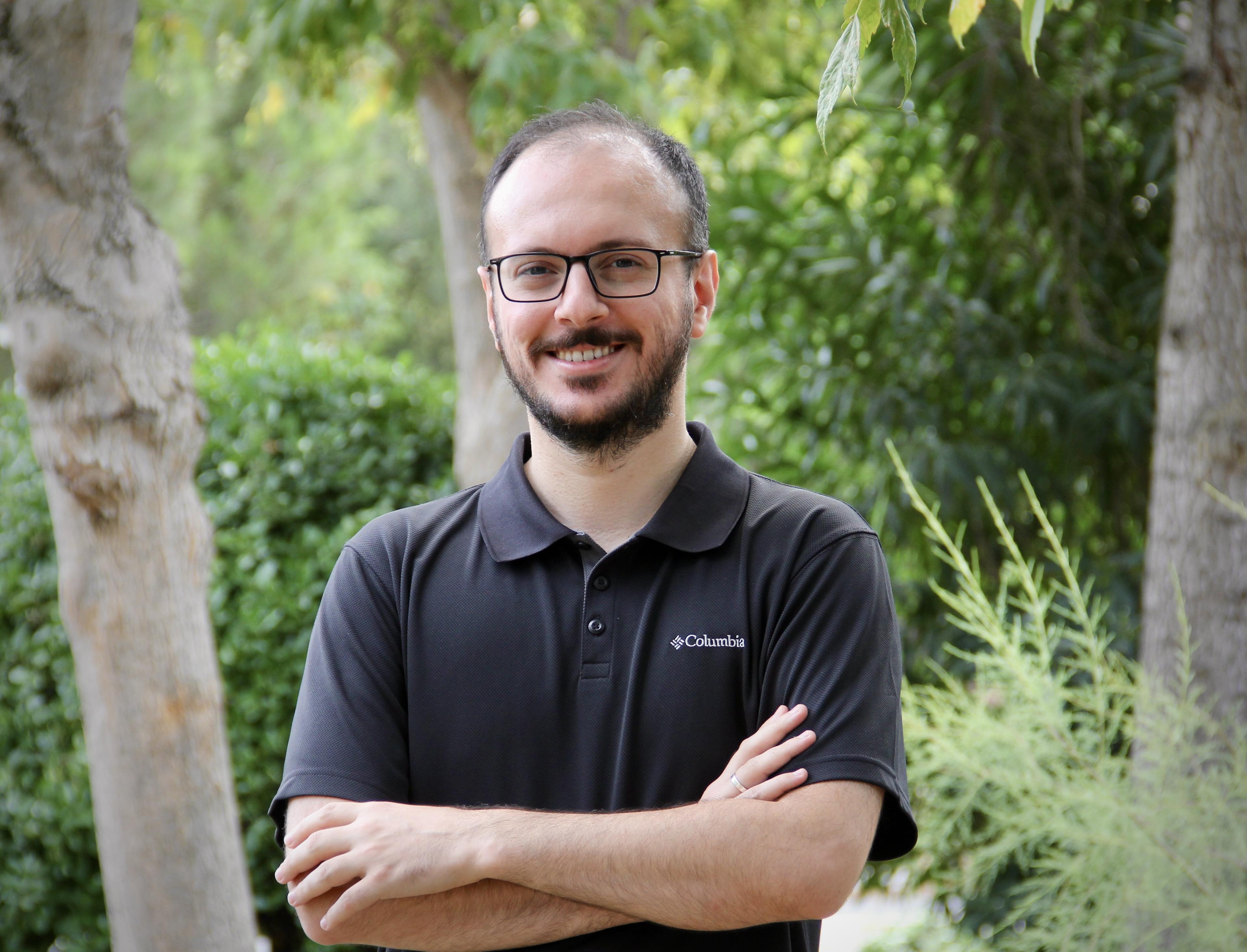
Digital Islamic Studies
Institute of Population and Social Research, Marmara University
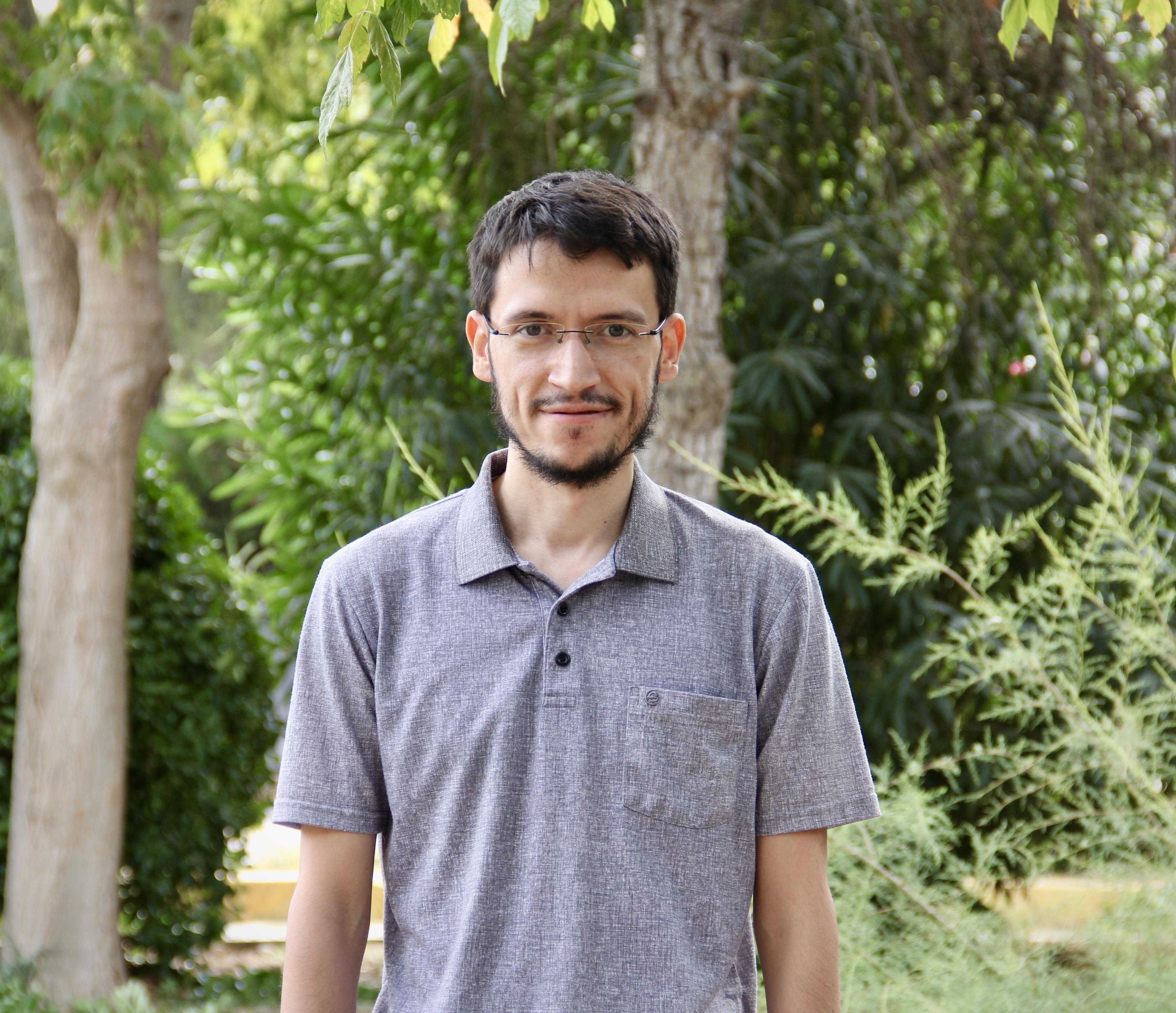
Data Scientist
Institute of Population and Social Research, Marmara University
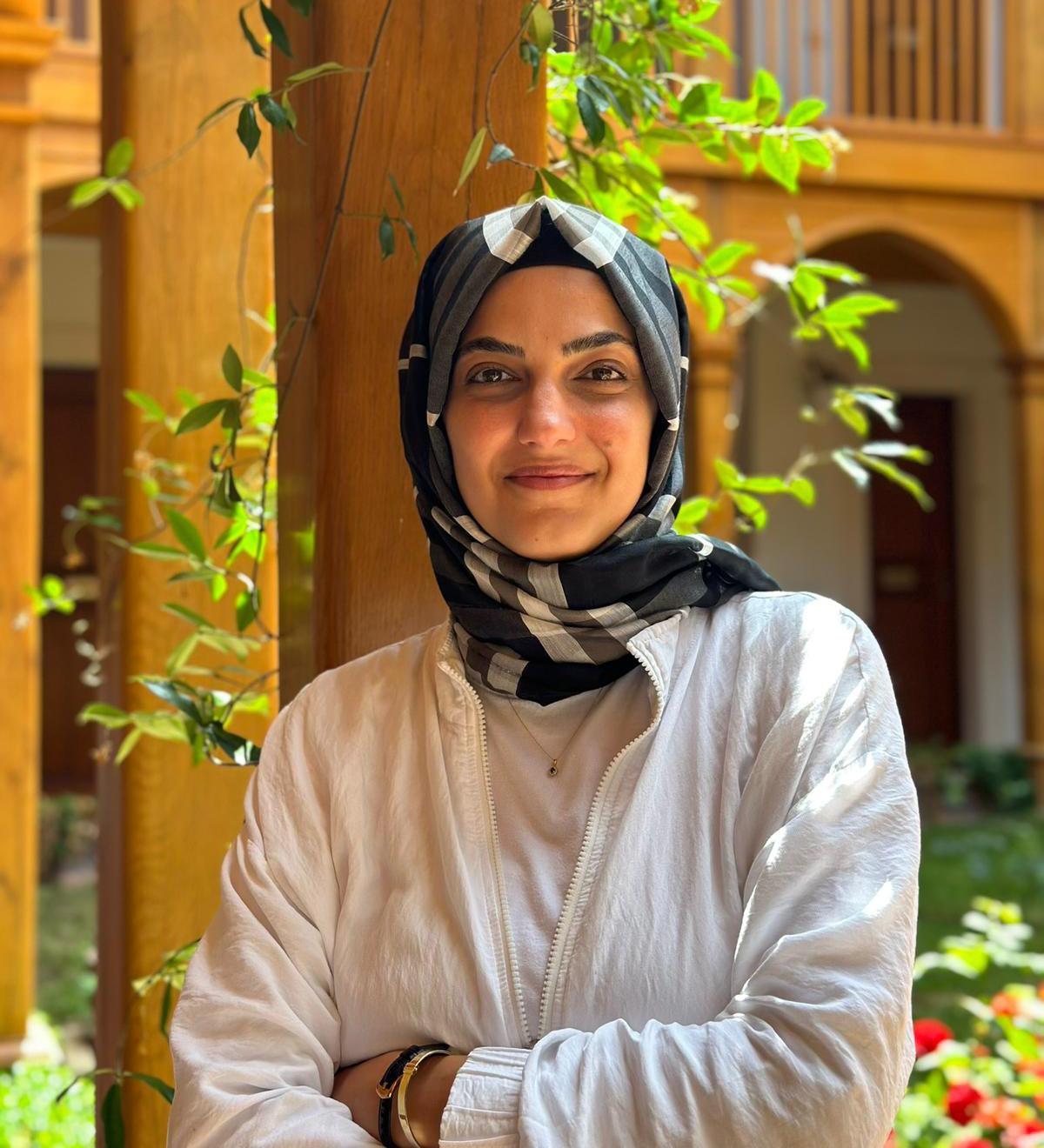
Ottoman Turkish Texts & HTR Specialist
History Department, Fatih Sultan Mehmet Vakıf University
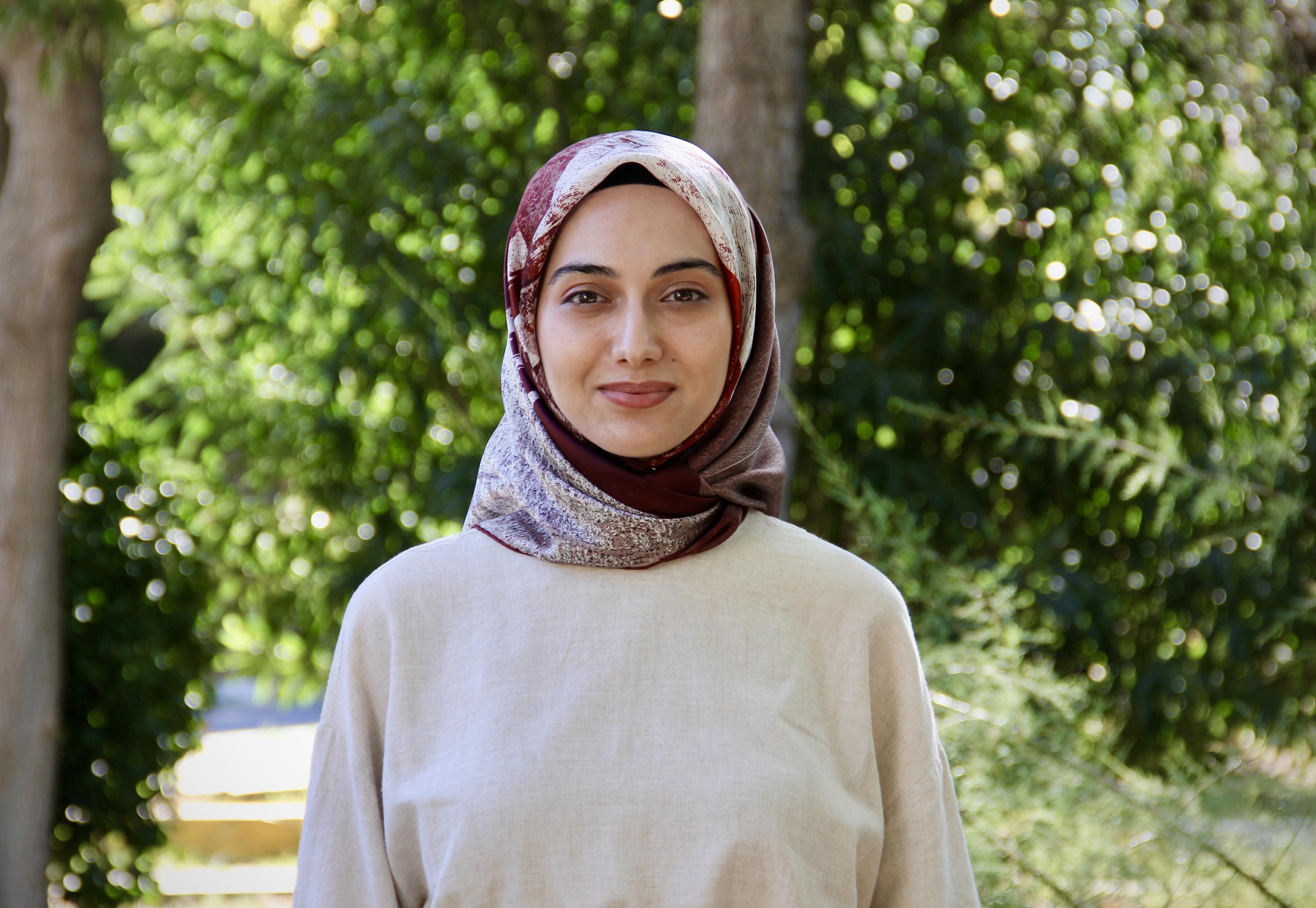
Computational Analyst
Sociology - Institute of Population and Social Research, Marmara University

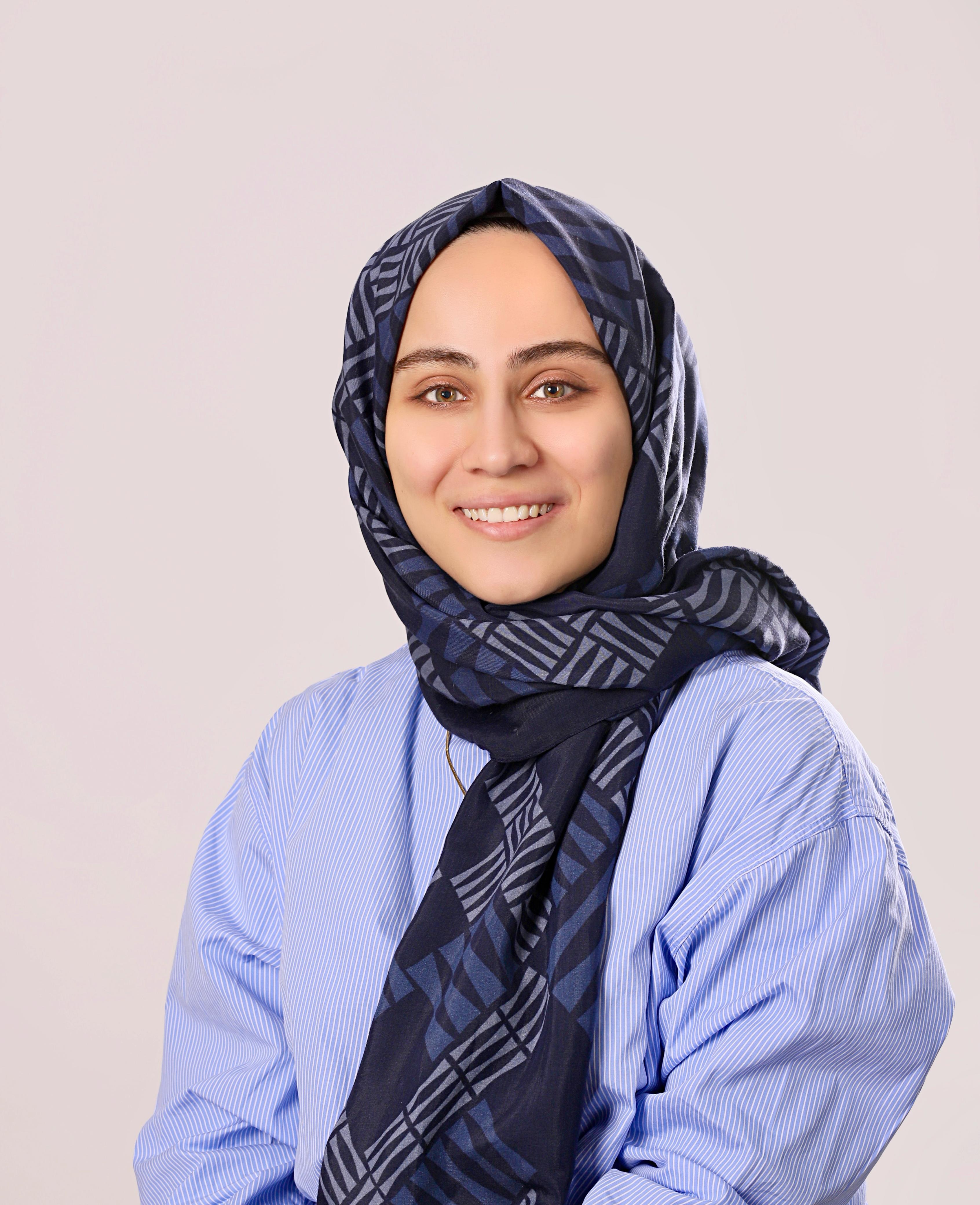
Computational Analyst
AI, Boğaziçi University - Institute of Population and Social Research, Marmara University
Educational Program
Data Analysis
School.
This is the first large-scale, nationally coordinated training initiative in Türkiye implemented under the leadership and support of the Council of Higher Education (YÖK).
National-Level Initiative
First comprehensive YÖK-supported training program at a country-wide scale.
Inter-University Collaboration
Developed with METU, ITU, and Boğaziçi University.
7-Month Intensive
85-hour online module structure from Oct 2025 to May 2026.
Merit-Based Selection
Free of charge, highly competitive open admission process.
Curriculum Specializations
Six Specialized Modules
Fundamental Statistics
Foundational theory and application of statistical methods.
Panel Data Analysis
Advanced R-based longitudinal data modeling.
Psychometrics
Rasch and IRT models for social measurement.
Computational Social Sciences
NLP, network and spatial analysis in Python.
Digital Humanities
Digital archives, text mining, and spatial visualization.
Artificial Intelligence
Machine learning and LLM-based applications.
Success Criteria
"Establishing a national model for interdisciplinary, data-driven capacity building across academia, public institutions, and the private sector."
Collaboration
Join our Research Studio.
We invite passionate scholars, developers, and students to contribute to our interdisciplinary laboratory. Our doors are open to institutional partnerships and graduate fellowships.
Research Assistantships
Open for PhD & Graduate Students
Technical Fellowships
Computer Science & NLP Experts
